None of these groups need a manufacturing background to start. USBME’s How section is designed to walk a first-time operator through the entire process, from finding a customer to signing an agreement to scaling production.
Step 1 – Find Your Customer
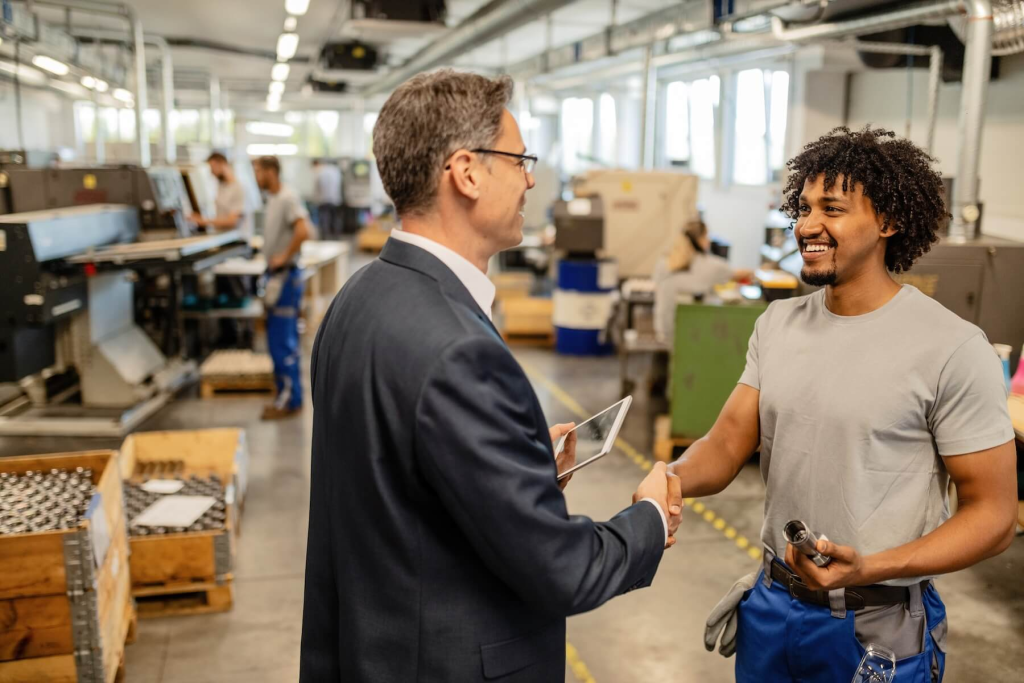
Before building anything, identify a U.S. manufacturer or brand that currently sources a product category overseas. Approach their purchasing or supply-chain team directly and propose taking over part of that supply chain domestically. Frame the pitch around what buyers actually care about: shorter lead times, lower freight and duty costs, easier quality inspections, and reduced exposure to tariffs and geopolitical risk. Recent industry surveys of manufacturers cite proximity to engineering, faster delivery, and avoiding tariffs among the top reasons companies choose to reshore a product line, those are the same arguments a new domestic supplier can make.
Practical tips:
- Start with product categories you already understand, from farm equipment parts to packaging to simple hardware.
- Offer a pilot run or small initial order rather than asking a company to switch its entire supply chain overnight.
- overnight.
- Be upfront that you’re building capacity buyers want to see a credible path to matching their existing supplier’s quality and price, not a finished factory on day one.
Step 2 – Find Your Equipment & Technology Partner
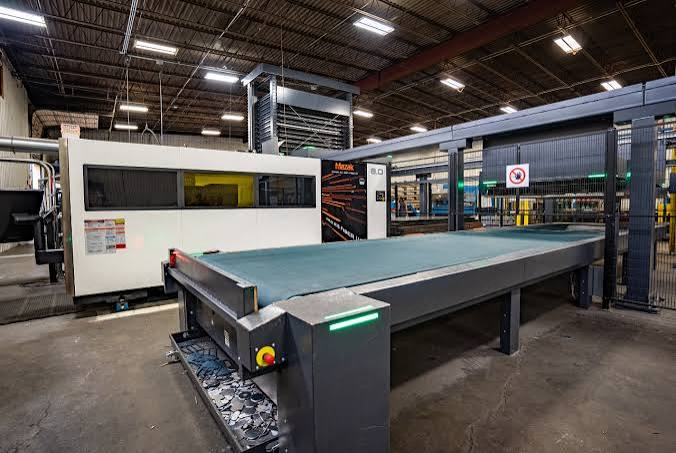
Identify equipment manufacturers, many based in China, as well as Japan, India, and elsewhere, who sell the machinery you need and, in many cases, include training as part of the purchase. Equipment manufacturers have a direct incentive to teach you to run their machines well, since a satisfied buyer is a repeat customer and a reference for future sales. This is often the fastest way for someone with no manufacturing background to acquire real production know-how.
USBME’s Equipment page lists both domestic secondhand-equipment marketplaces and categories of overseas equipment manufacturers to research.
Step 3 – Consider University and Technical Partnerships
Manufacturing-focused universities and technical institutes in China, Japan, and India offer applied research, testing, and training partnerships, and U.S. land-grant universities and community and technical colleges have Manufacturing Extension Partnership (MEP) centers that provide similar support domestically. These partnerships can help with process design, quality testing, and troubleshooting as you scale from a garage-scale operation to a real production line.
Step 4 – Draft a Memorandum of Understanding (MOU)
Once a buyer is interested, put the arrangement in writing. An MOU is not a binding supply contract, it’s a statement of intent that gives both sides a shared roadmap and gives you something concrete to show equipment vendors, lenders, or investors. A basic structure:
[Buyer Company] currently purchases [Product Category] from an overseas supplier.
[Startup Company] is establishing a domestic manufacturing operation to produce [Product Category] in the United States, working directly with overseas manufacturers to bring in the necessary technology and meet [Buyer Company]’s quality standards.
Once [Startup Company]’s production quality, capacity, and pricing match the overseas supplier, [Buyer Company] agrees to transition its orders to [Startup Company].
This is a starting template, not legal advice, have any MOU or supply agreement reviewed by an attorney before signing.
Step 5 – Scale Up
As your production quality, capacity, and pricing approach parity with the overseas supplier, transition orders from overseas to your domestic operation in stages rather than all at once. Track the same cost factors your buyer cares about: landed cost, defect rates, lead time. So you can show measurable progress at each stage. Tools like the Reshoring Initiative’s free Total Cost of Ownership Estimator can help both you and your buyer quantify the real savings of shifting production domestically once shipping, tariffs, inventory, and quality risk are all accounted for.